
Few places in the world hold as much history as the Maracanã. In more than seven decades, the stadium has hosted Fla-Flu classics that became legend, Flamengo and Fluminense title deciders, Olympic ceremonies, a papal Mass and concerts that brought people together in huge numbers.
This page gathers the events that built that memory. The Tour Maracanã, operated by Viva Maracanã, invites you to see them up close, on the visit and in the Casa do Inesquecível.
1950: the stadium is born
The Maracanã opened in June 1950 to host the World Cup in Brazil. The first goal in the stadium’s history is credited to Didi, of Fluminense, in an opening friendly.
The Maracanazo
On 16 July 1950, Brazil and Uruguay played the World Cup decider in front of one of the largest crowds ever recorded at a football match. Uruguay won 2–1, coming from behind, in the episode known as the Maracanazo.
Fluminense at the Maracanã
- 1952, the Copa Rio. Fluminense won the international tournament played at the stadium, seen by many as a forerunner of the Club World Cup.
- 1975 and 1976, the Máquina Tricolor. A historic generation, with stars such as Rivellino and Paulo César Caju, that made the Maracanã its home.
- 1984, Brazilian champions. Fluminense won the national title in a decider at the Maracanã, with a goal by Romerito.
- 1995, the belly goal. In the Carioca final, Fluminense beat Flamengo 3–2 with Renato Gaúcho’s famous belly goal.
- 2023, the Libertadores. On 4 November, Fluminense won the first Libertadores in its history, at home, winning 2–1 in extra time, with a goal by John Kennedy.
Flamengo at the Maracanã
- 1953, 1954 and 1955, the Carioca three-peat. A cycle of titles in the stadium’s first years.
- 1980, Brazilian champions. Zico’s era had one of its most striking stages at the Maracanã, in the Campeonato Brasileiro decider.
- 2001, Petkovic’s free kick. In the final minutes of the Carioca final, the Serbian scored the red-and-black title goal from a free kick, 3–2.
- 2009, the sixth Brazilian title. Flamengo won the Campeonato Brasileiro in the deciding round, at the Maracanã.
- 2013, the Copa do Brasil. With the stadium freshly renovated, Flamengo won the title in front of its own fans.
Fla-Flu: the classic that is the face of the stadium
1963, the largest crowd between clubs
On 15 December 1963, Flamengo and Fluminense drew about 194,000 people to the Maracanã, the largest crowd ever recorded at a club match in the stadium. The game ended in a goalless draw.
Why it matters: the match symbolises what the Fla-Flu means to Rio. It is a classic that fills a whole stadium and becomes the city’s trademark.
Celebrities and great gatherings
The Maracanã also hosted events that went beyond sport. These are the moments when the stadium became the setting for crowds, idols and ceremonies.
- 1971: Pelé’s farewell to the national team: On 18 July 1971, the King of Football said goodbye to the Brazilian national team at the Maracanã, in front of a huge crowd.
- 1969: Pelé’s thousandth goal: On 19 November 1969, Pelé scored, from a penalty, the thousandth goal of his career. It was one of the most closely followed sporting moments in Brazil.
- 1980: Pope John Paul II: In July 1980, the Pope celebrated Mass for a huge crowd at the Maracanã, on his first visit to Brazil.
- 1980: Frank Sinatra: The American singer brought one of the largest audiences of his career to the stadium.
- 1988: Tina Turner: A concert remembered for its record crowd, which entered the history of great concerts.
- 1990: Paul McCartney: The former Beatle drew one of the largest audiences in the stadium’s history.
- 2007, 2013, 2014 and 2016: the world looks at the Maracanã: The stadium hosted the ceremonies of the 2007 Pan American Games and, after its renovation, the 2013 Confederations Cup and the 2014 World Cup final, when it was one of the stages of the closing ceremony. In 2016, it hosted the opening and closing ceremonies of the Rio Olympic Games, as well as the men’s football final, with Brazil’s first-ever gold.
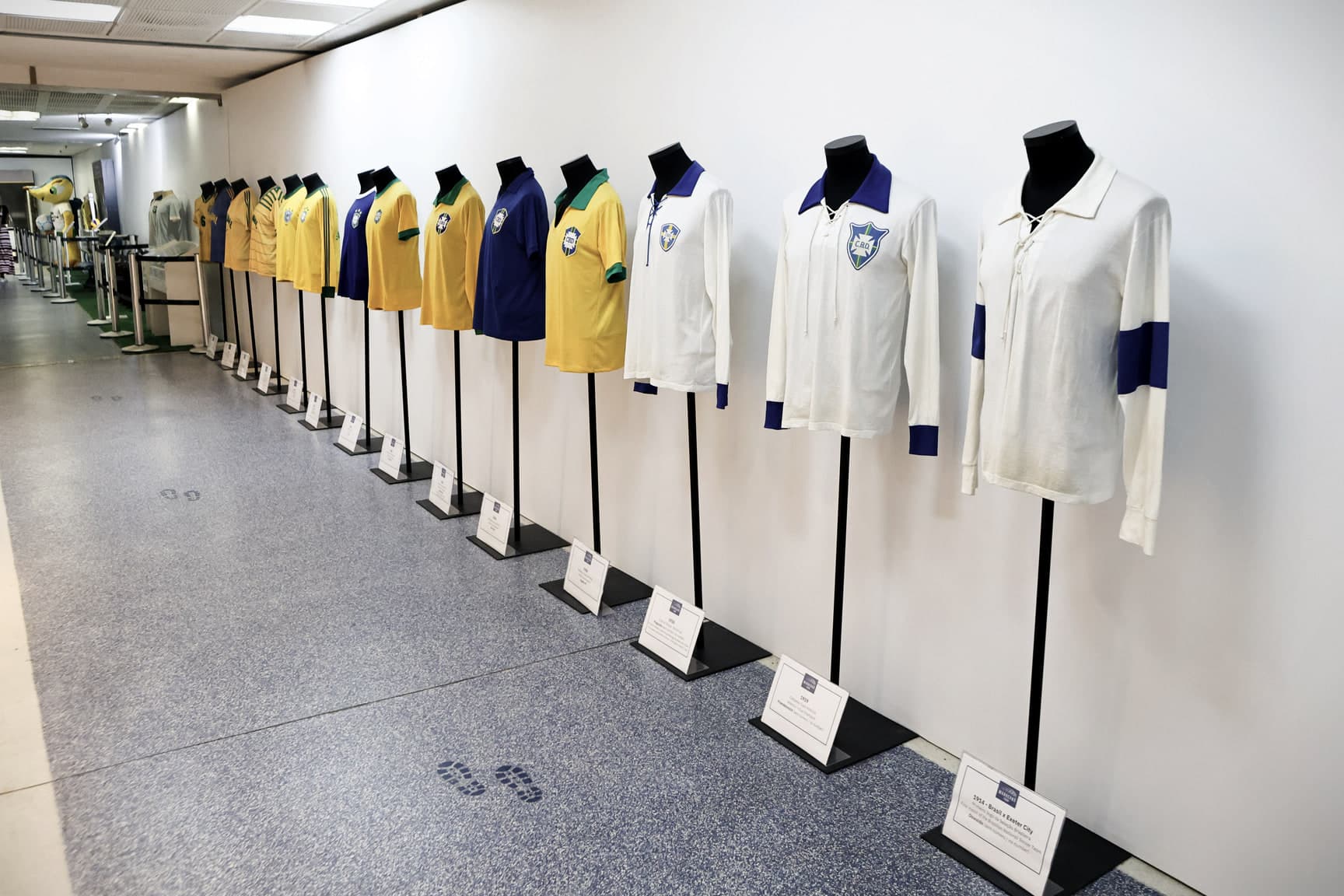
In the Casa do Inesquecível, these events take shape: shirts, trophies, photographs and objects that tell what the pitch has lived.
