
The history of the Maracanã is the history of a bold idea: to build the largest stadium in the world and give Brazil a stage worthy of its football. Over more than seven decades, the stadium has hosted World Cups, Fla-Flu derbies, idols, ceremonies and crowds, and it has been renovated, reinvented and preserved.
On this page, the Tour Maracanã, operated by Viva Maracanã, tells that story in order, with context: what happened, why it matters and what the stadium’s memory holds about each phase. To see this history up close, also visit the Casa do Inesquecível.
Where the name Maracanã comes from
The stadium inherited its name from the district and the river that runs through the North Zone of Rio de Janeiro. “Maracanã” comes from Tupi and is associated with a bird of the parrot family, quite common in the region. The official name, Estádio Jornalista Mário Filho, honours the journalist who campaigned publicly for the stadium to be built.
The idea: a stadium for the 1950 World Cup
After the Second World War, Brazil was chosen to host the 1950 World Cup. The city of Rio de Janeiro needed a stadium that matched the ambition of the event and the passion of the people of Rio.
Mário Filho was one of the strongest voices in favour of the project. A journalist and a great champion of football, he also helped make the Fla-Flu popular as the derby of the crowds.
Construction: a gigantic project in record time
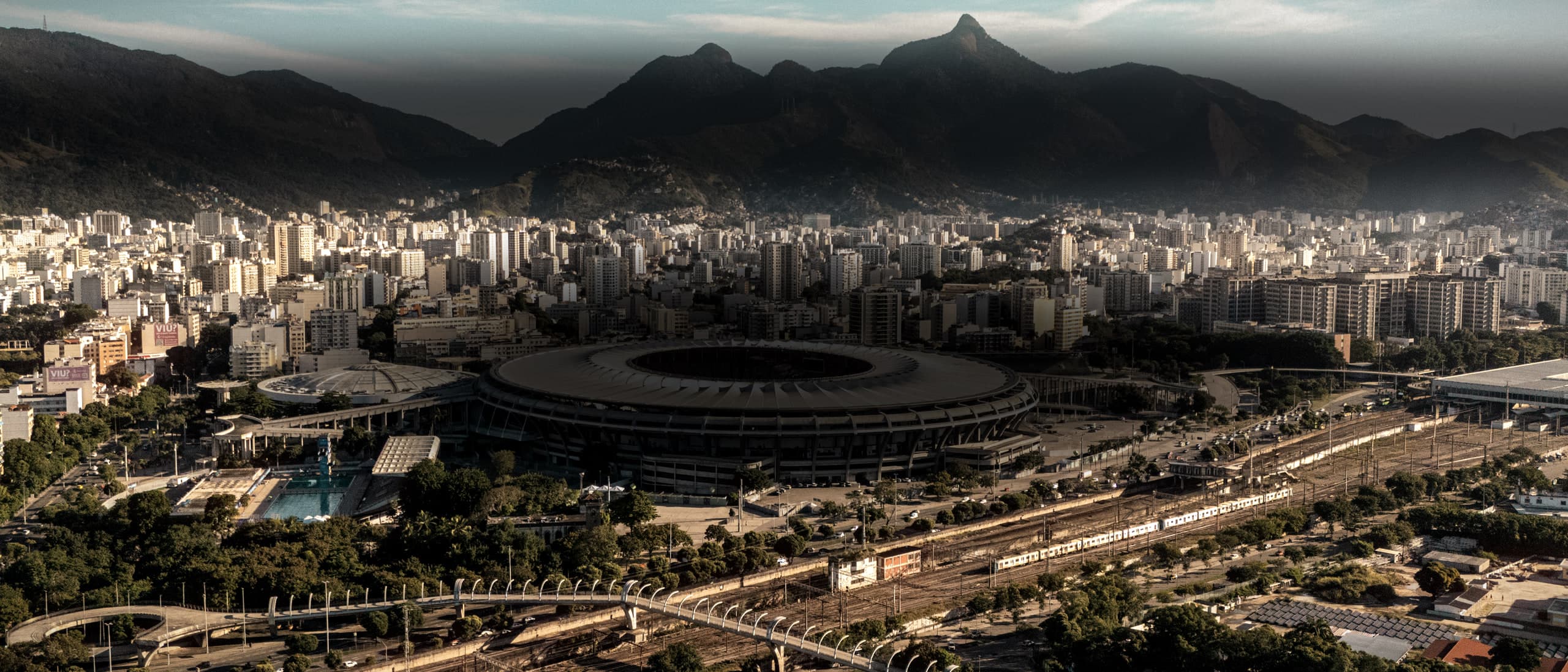
Work began in 1948, on the site of the old Derby Club racecourse. Thousands of workers built a reinforced-concrete structure that, at the time, became known as the largest stadium in the world.
The project was signed by a team of Brazilian architects.
The stadium was inaugurated still unfinished, on the eve of the World Cup, and the works went on for years.
1950: inauguration, first goal and World Cup
The inauguration
On 16 June 1950, the stadium hosted its first match, a friendly between selections of players from Rio and São Paulo. The first goal in the history of the Maracanã is attributed to Didi, of Fluminense.
The 1950 World Cup
The Maracanã hosted decisive matches of the Cup, including the final match between Brazil and Uruguay, on 16 July 1950, before one of the largest crowds ever recorded in football.
The Maracanazo
Uruguay won 2–1, coming from behind, in the episode that became known as the Maracanazo. The result marked generations and became part of the stadium’s identity. The Tour Maracanã tells this chapter with respect and without sensationalism, because visitors deserve to know the whole story.
Fla-Flu: the derby that was born before the stadium and grew inside it
The rivalry between Flamengo and Fluminense began in 1912, when the two clubs first met on the football pitch. After the Maracanã opened, the derby found a stage as big as its popularity.
On 15 December 1963, Flamengo and Fluminense drew about 194 thousand people, the largest attendance ever recorded for a club match at the stadium.
1950s: the legend is born
- 1950: inauguration, first goal and World Cup.
- 1952: Fluminense win the Copa Rio, an international tournament decided at the stadium.
- 1953, 1954 and 1955: Flamengo win three Rio state titles in a row.
1960s: the era of the crowds
- 1963: the Fla-Flu with the largest attendance between clubs.
- 1969: Pelé scores the 1,000th goal of his career at the Maracanã.
1970s: idols and farewells
- 1971: Pelé’s farewell to the Brazil national team, at the stadium.
- 1975 and 1976: the Máquina Tricolor, Fluminense’s great side, wins the Rio state title twice in a row.
1980s: Zico, the Pope and historic concerts
- 1980: Flamengo win the Brazilian Championship at the Maracanã.
- 1980: Pope John Paul II’s mass and a Frank Sinatra concert.
- 1984: Fluminense win the Brazilian Championship at the stadium.
- 1988: Tina Turner brings one of the largest concert crowds to the Maracanã.
1990s: derbies that became legend
- 1990: Paul McCartney draws a historic crowd.
- 1995: Renato Gaúcho’s belly goal, in the Rio state final.
2000s: titles and transformation
- 2001: Petkovic’s free kick in the Rio state final.
- 2007: the stadium hosts the ceremonies of the Pan American Games.
- 2009: Flamengo win the Brazilian Championship.
2010s: rebirth and the world
- 2013: stadium reopened after renovation, Confederations Cup and Flamengo’s Copa do Brasil.
- 2014: World Cup final.
- 2016: Olympic Games
2020s: the Maracanã of Flamengo and Fluminense
- 2023: Fluminense win their first Libertadores at the Maracanã.
Renovations: how the Maracanã reinvented itself
The stadium has gone through several renovations and upgrades over its history, following changes in regulations, in safety standards and in the demands of major events. Among the main interventions are the reduction in capacity, the works carried out for the 2007 Pan American Games and the major renovation for the 2014 World Cup, which modernised its structure and brought the stadium up to international standards.
A stadium that is part of Brazil’s memory
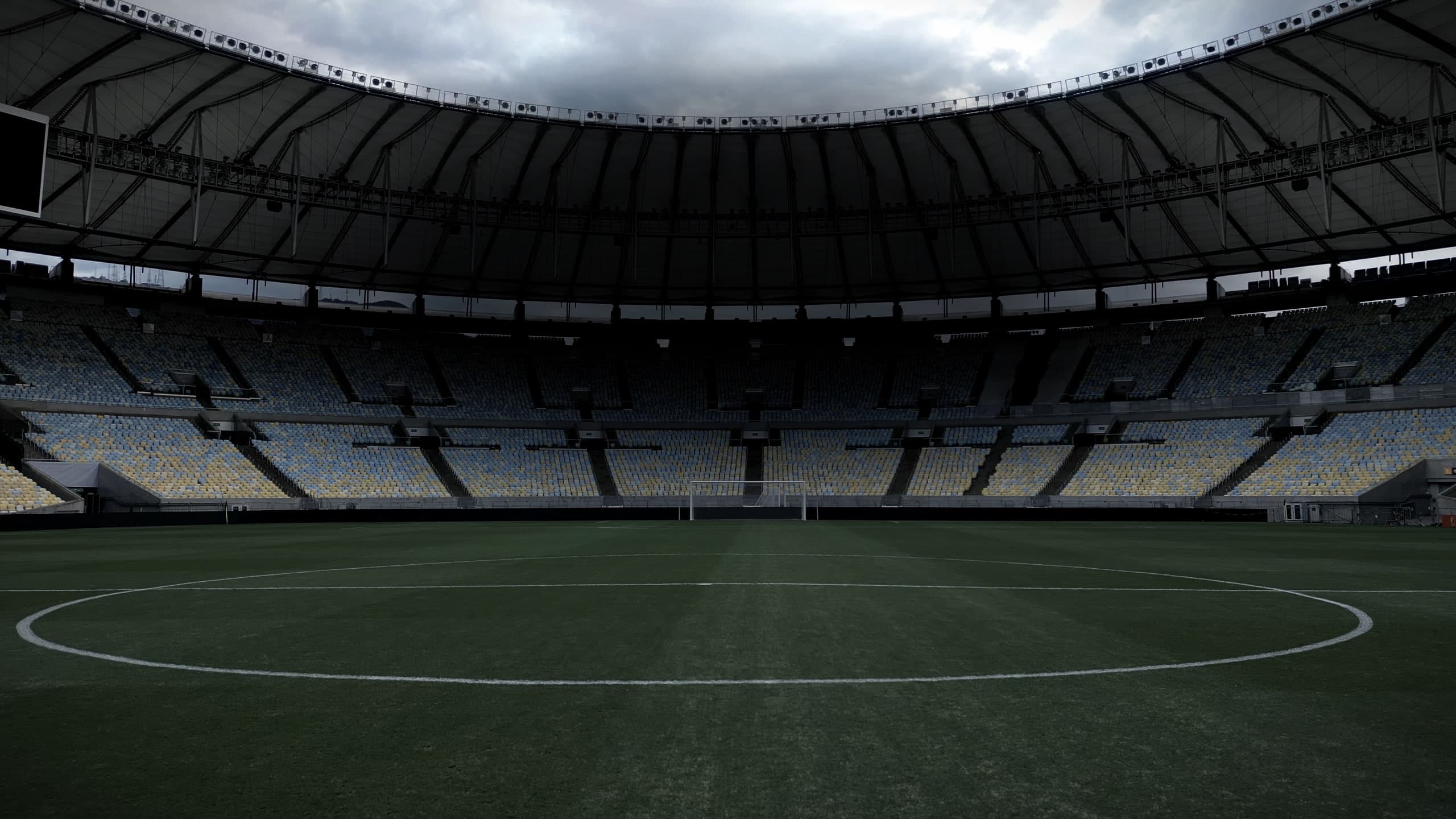
More than a stadium, the Maracanã is part of Brazil’s memory and cultural heritage. Its architecture, its great moments and the stories lived in its spaces helped turn the stadium into one of the country’s greatest symbols.
Today, the Maracanã is run under the Fla-Flu management model, bringing Flamengo and Fluminense together in the running of a place that is also part of the history of both clubs.
A history to see up close
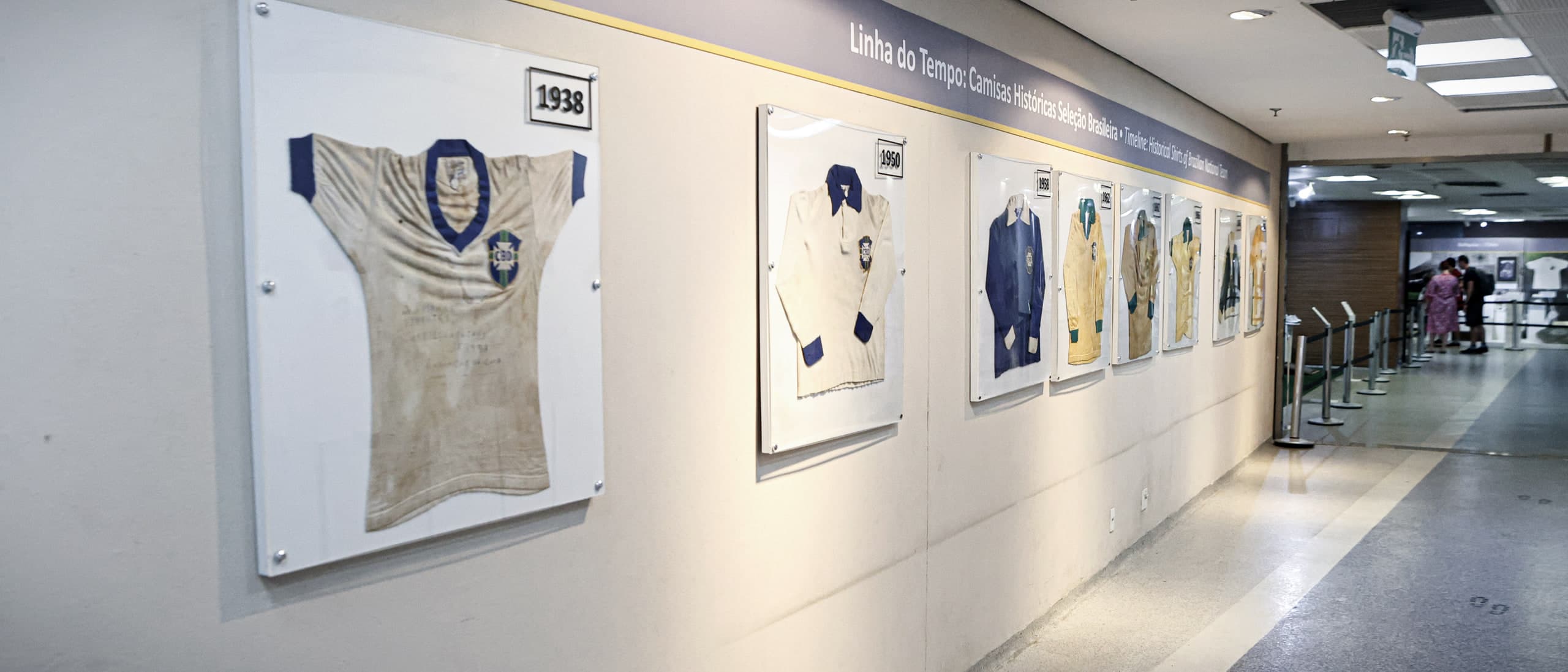
This story is also present in the Casa do Inesquecível, where shirts, trophies, photographs and other objects help tell memorable chapters of the history of the Maracanã and of Brazilian football.
On the Tour Maracanã, you can see up close the spaces and details that are part of this history and experience the stadium beyond the stands.
